Nail clubbing is one of the few nail changes worth taking seriously even when nothing hurts. The fingertips become rounded and bulbous, the nails curve downward like the back of a spoon turned over, and the angle where the nail meets the skin flattens out. It develops slowly over months, which is why many people do not notice it until someone else points it out.
Here is what clubbing is, a simple test you can do at home, and why a new case belongs in front of a doctor. You can also log a scan to document the shape over time.
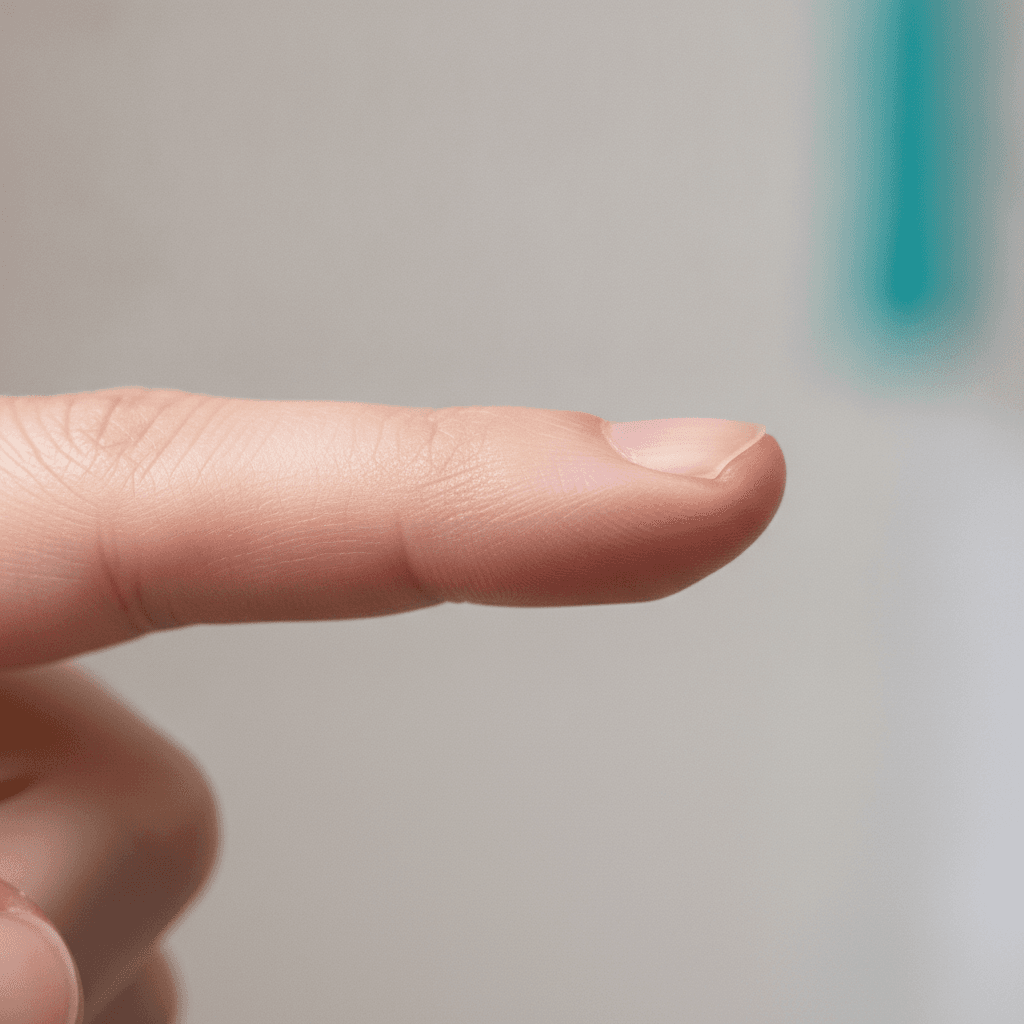
What clubbing looks like
Three things change together. The fingertip swells and rounds, the nail bulges and curves down more than usual, and the normal angle between the nail and the cuticle disappears so the nail looks like it flows straight into the finger. Toes can club too. Because it builds gradually, comparing an old photo of your hands can make it obvious.
The Schamroth window test
There is a quick check. Put the backs of two matching fingers together, nail to nail, and look at the gap between the nail beds. In normal nails a small diamond-shaped window of light appears. In clubbing that window closes up. It is not a diagnosis, but it is a useful prompt to get checked.
What causes it
Clubbing is usually a sign that the body has been dealing with low oxygen or inflammation for a while. The main associations are:
- Lung conditions, including COPD, lung fibrosis, and lung cancer
- Heart conditions, especially those that lower blood oxygen
- Inflammatory bowel disease and some liver conditions
- Rarely, an inherited form that is harmless and lifelong
The pattern that matters is new clubbing, since that is the kind that signals something to investigate.
When to see a doctor
See a doctor if:
- Your fingertips have become rounded and bulbous over recent months
- The Schamroth window has closed
- Clubbing comes with breathlessness, a long-term cough, or fatigue
- You have a known heart, lung, or bowel condition and notice the change
Frequently asked questions
What does nail clubbing indicate?+
Clubbing is linked to long-term low oxygen and conditions of the lungs and heart, and sometimes the gut or liver. New clubbing should always be checked, since it can signal something that needs attention.
What is the Schamroth window test?+
Place the backs of two matching fingernails together. Normally a small diamond-shaped gap appears between them. In clubbing that gap closes.
Can clubbing be harmless?+
Occasionally it runs in families and is not tied to disease. But because it can flag serious conditions, new clubbing is worth a medical opinion rather than a guess.
Related
Sources
- Cleveland Clinic, Nails and your health
- Mayo Clinic, 7 fingernail problems not to ignore
This article is for general education and is not medical advice. It does not replace a consultation with a qualified clinician. If a symptom worries you, see a doctor.