Your nails change slowly, and most of the time those changes mean nothing serious. A white fleck after you catch a finger in a drawer. A faint ridge running up the thumb. A yellow tint after a summer of dark polish. Still, the surface of a nail keeps a quiet record of what your body has been doing, and a small number of patterns are genuinely worth a closer look.
This guide covers what a healthy nail looks like, what the common changes usually mean, and the few signs that deserve a doctor's eye. Want a quick read on your own nails right now? Scan your nails in 60 seconds.
- •Most nail changes are harmless cosmetic variation, not a health warning.
- •One affected nail is usually local damage; the same change across all ten is more likely to reflect the whole body.
- •See a doctor for a single widening dark band, a nail lifting from its bed, new clubbing, or any change with pain or feeling unwell.
What a healthy nail looks like
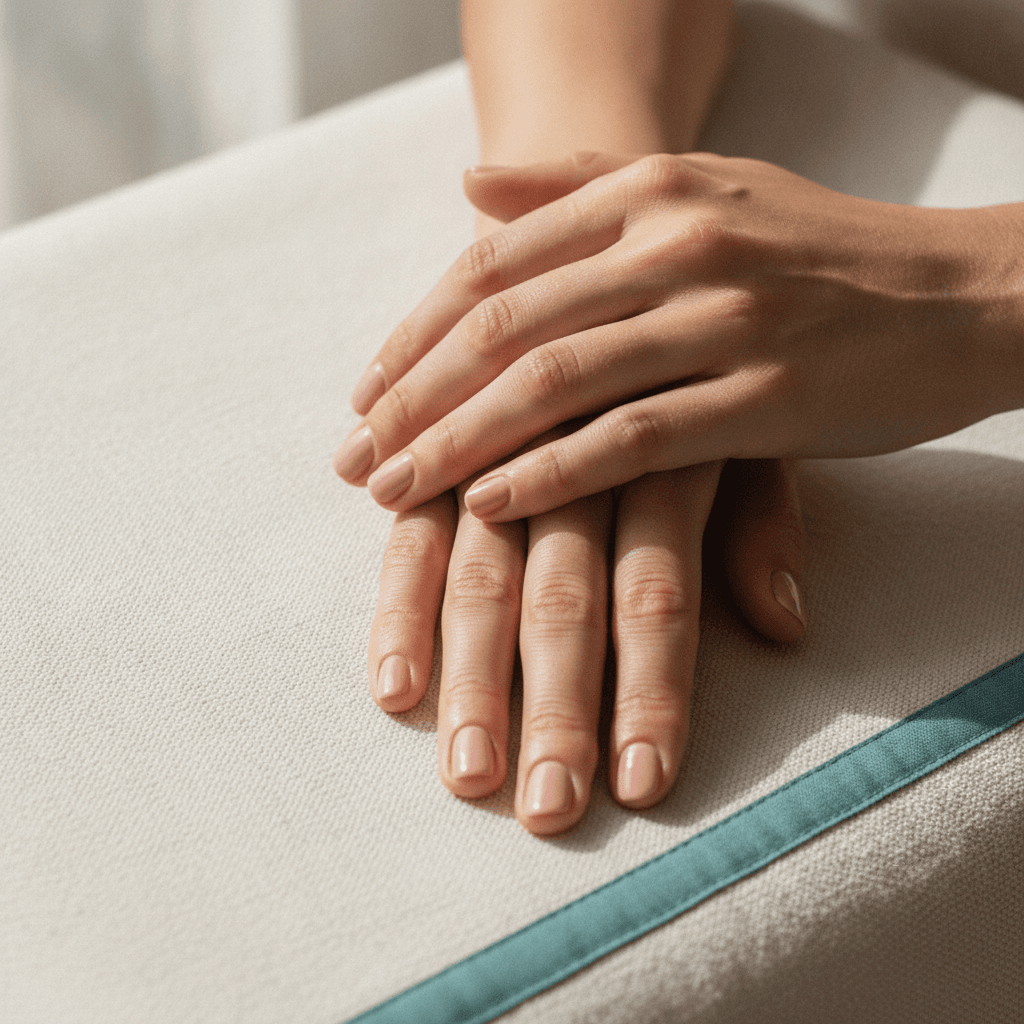
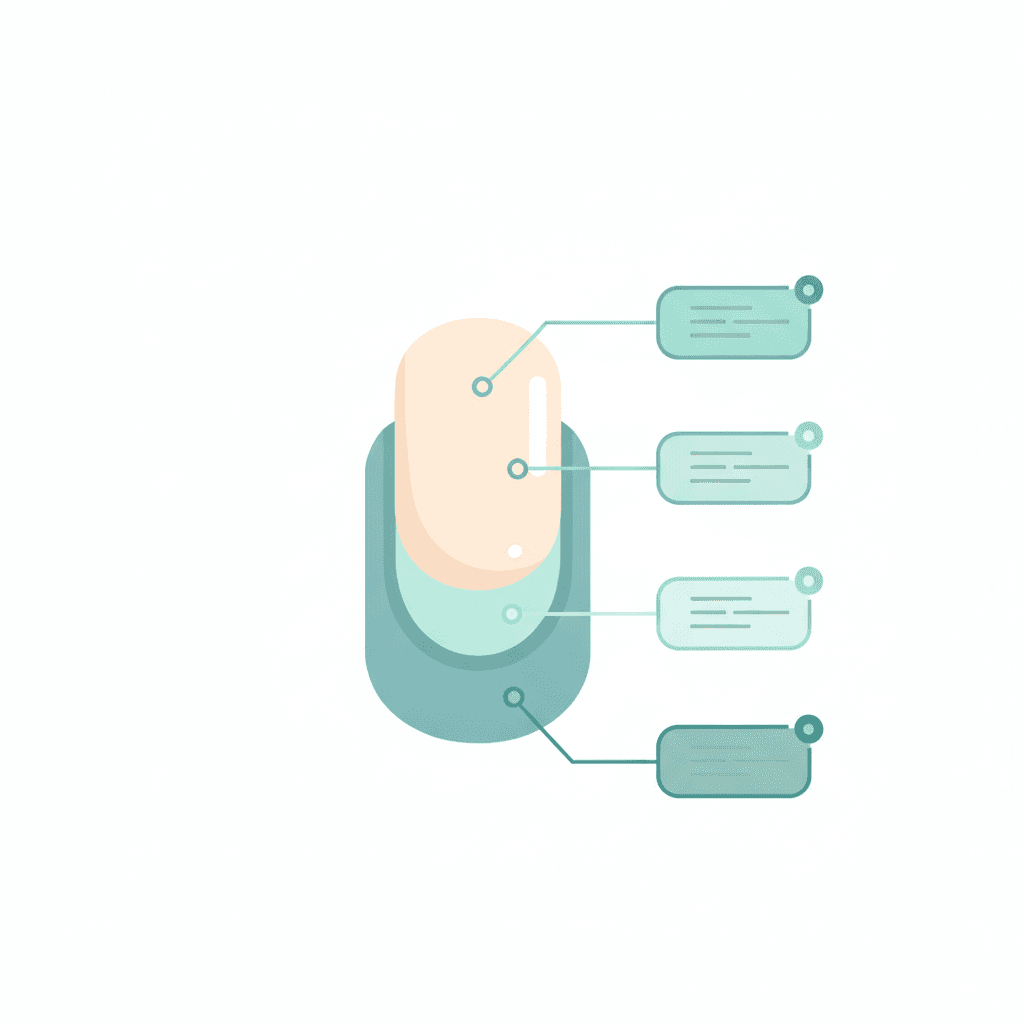
A healthy nail plate is smooth, slightly curved, and fairly even in thickness. The nail bed underneath gives it a pink tone, and many people have a pale half-moon (the lunula) near the base. Fine vertical lines are normal, and they tend to get a little more obvious with age, the same way skin does.
Keep two things in mind as you read on. First, nails grow slowly, so anything you notice today started forming weeks ago. Second, one odd nail is usually local damage, while the same change across all ten nails is more likely to be telling you something about the whole body.
Reading the changes
Color
Color is often the first thing people notice. White spots are usually old knocks growing out, not a calcium problem. Yellow nails most often mean a fungal infection or staining from polish and smoking. A pale, washed-out nail bed can follow anemia, while a dark line running up the nail is usually harmless but occasionally needs a dermatologist's opinion.
Ridges and texture
Vertical ridges, running from cuticle to tip, are a normal part of getting older and rarely a red flag on their own. Deep horizontal grooves are a different story: known as Beau's lines, they often mark a time when nail growth paused, such as a high fever or a serious illness. Small pinprick dents, or pitting, show up most with psoriasis.
Spots, splitting and shape
Brittle, splitting nails usually come from the outside, repeated wetting and drying, harsh removers, or frequent gels. Nails that curve up like a shallow spoon can point to iron deficiency, and fingertips that look rounded and bulbous (clubbing) can relate to heart or lung conditions. Shape changes are worth tracking over time, which is exactly where a side-by-side photo log helps.
When to see a doctor
Most nail changes can wait for a routine appointment, but a few should move up the list:
- A single dark band that appears in adulthood, gets wider, or spreads pigment onto the skin around the nail
- A nail lifting away from its bed, or new thickening and crumbling
- Sudden ridges or color changes across many nails at once
- Any nail change that comes with pain, bleeding, swelling, or feeling unwell
If something here sounds familiar, book a visit with your doctor or a dermatologist. A photo of how it looked a month ago makes that appointment far more useful.
Frequently asked questions
Can your nails really show health problems?+
Sometimes. Most nail changes are harmless and cosmetic, but a few patterns, like a single widening dark band or sudden ridges across every nail, can point to something worth checking.
Are nail changes a sign of vitamin deficiency?+
Less often than the internet suggests. Iron deficiency can show up as spoon-shaped nails, but everyday ridges and white flecks usually are not about vitamins.
How fast do nails grow out?+
Fingernails grow roughly 3 mm a month, so a mark near the base can take four to six months to reach the tip.
Explore by symptom
Sources
- Cleveland Clinic, Health warnings hidden in your nails
- Mayo Clinic, 7 fingernail problems not to ignore
- American Academy of Dermatology, nail care and nail health resources
This article is for general education and is not medical advice. It does not replace a consultation with a qualified clinician. If a symptom worries you, see a doctor.