Brittle, splitting nails are frustrating, but the cause is usually reassuring. Most of the time the damage comes from the outside, from repeated wetting and drying, harsh removers, and the daily wear of using your hands. A health condition can be involved, yet that is the smaller share of cases.
Below are the outside and inside causes, a practical routine that genuinely strengthens nails, and the signs that suggest something more than wear. To track whether your routine is working, you can log a quick scan and compare month to month.
What brittle nails are
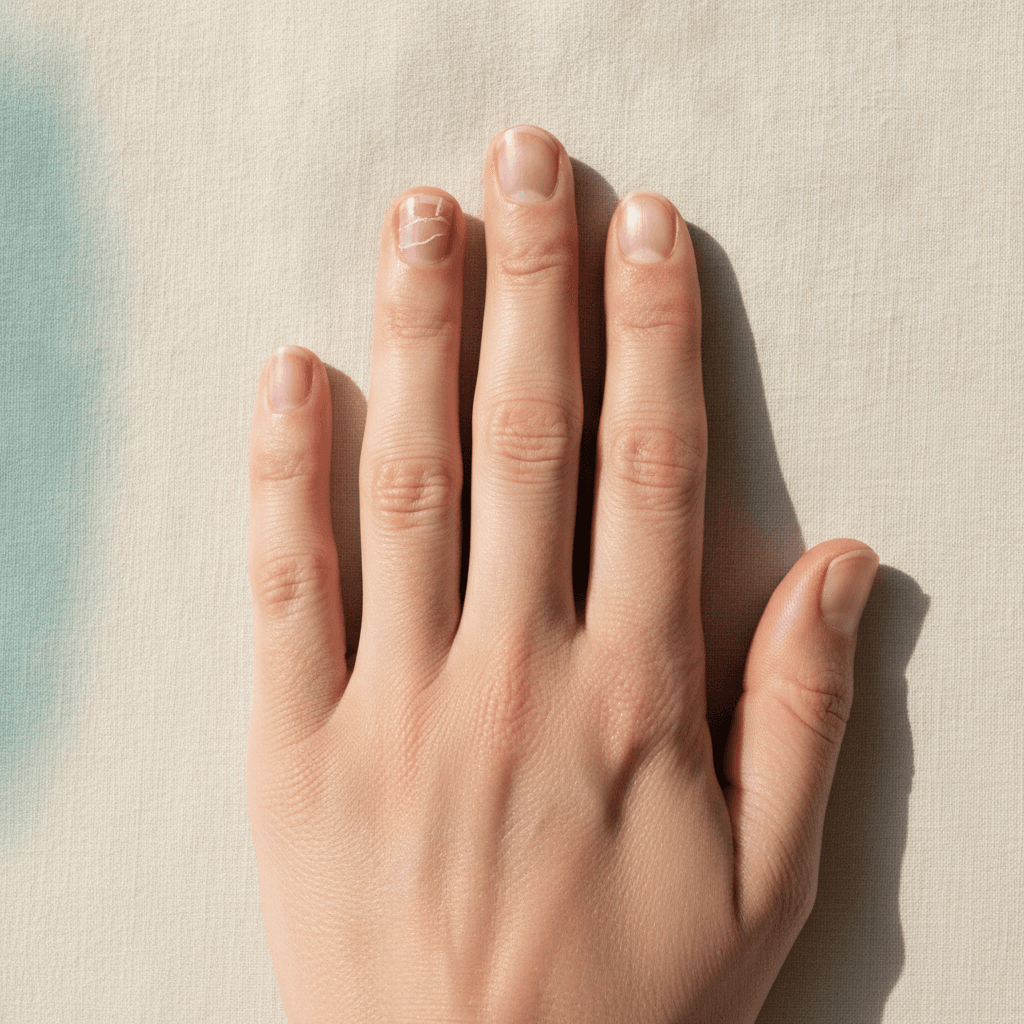
Doctors sometimes call this onychorrhexis. The nail loses moisture and the thin layers that make up the plate start to separate, so the edges peel, snag, and split. Once a split starts, everyday tasks keep reopening it, which is why brittle nails can feel like they never recover.
Outside causes (the usual story)
The biggest culprit is the wet-dry cycle. Every time a nail soaks up water and then dries, it swells and shrinks, and that loosens its layers. Add the following and the plate weakens fast:
- Dish soap, detergents, and household cleaners
- Acetone and frequent polish removal
- Gel and acrylic manicures without breaks
- Cold, dry winter air
If your nails are worse on your dominant hand or after a season of chores, outside wear is almost certainly the answer.
Inside causes (less common)
Sometimes the body is part of it. Iron deficiency can leave nails thin and weak, and an underactive thyroid can make them brittle and slow to grow. These usually travel with other clues: fatigue, hair thinning, feeling cold, or pale skin. Brittle nails on their own, with none of that, rarely signal a medical problem.
A routine that works
Strengthening nails is mostly about removing the damage, then protecting what grows in.
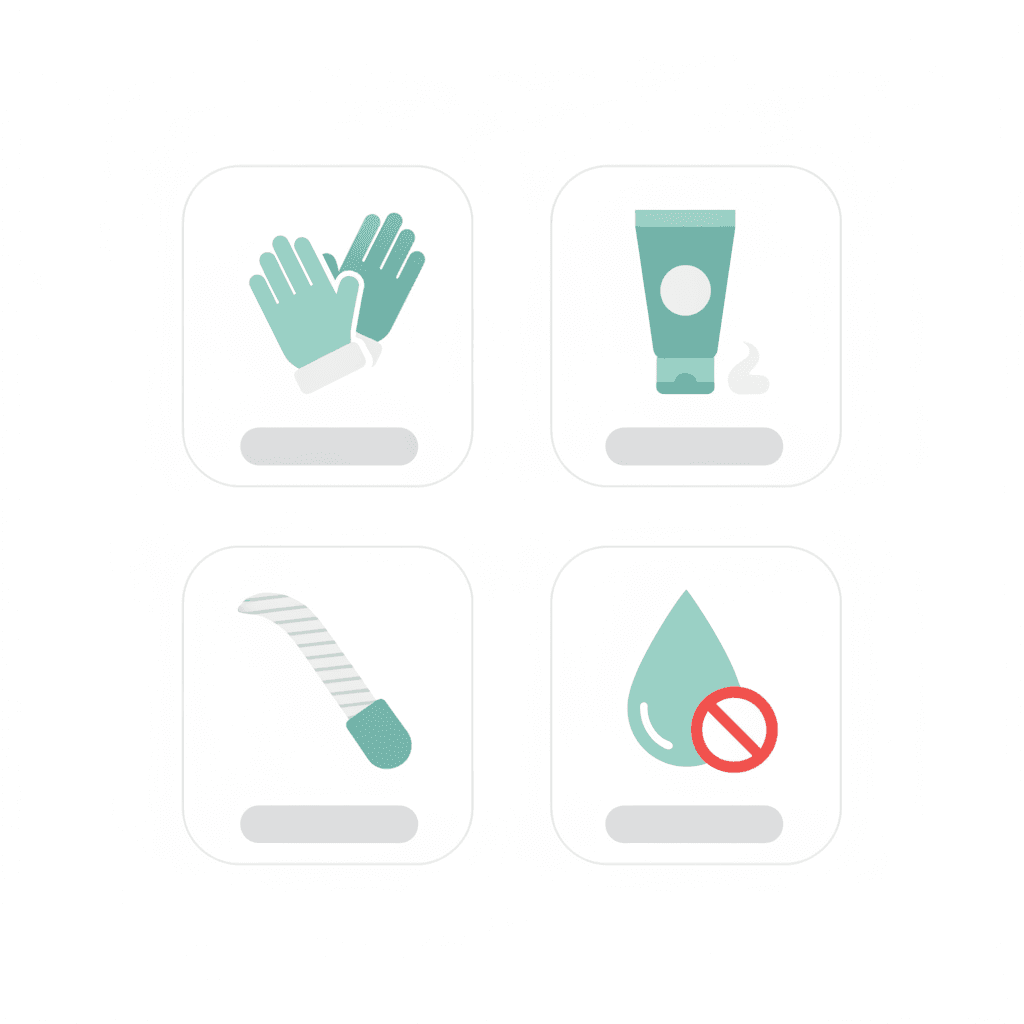
- Keep water and chemical contact short, and wear gloves for dishes and cleaning
- Moisturize nails and cuticles every day, especially after washing, using a cream with urea or lactic acid
- File in one direction with a fine file, and stop sawing back and forth
- Give gels and acrylics a break every few cycles
- Keep nails a little shorter while they recover, so there is less edge to catch
On biotin: the evidence is modest, and it tends to help only if your nails were genuinely lacking it. Fix the habits first, and treat any supplement as a slow, secondary step.
When to see a doctor
Speak to a clinician if you notice:
- Sudden brittleness alongside fatigue, hair loss, or feeling cold, which can point to thyroid or iron issues
- Nails that lift from the bed, change color, or thicken
- Splitting that worsens despite a good nail-care routine
- Pain, swelling, or signs of infection around the nail
Frequently asked questions
What deficiency causes brittle nails?+
Most brittle nails are not a deficiency at all. When one is involved, iron is the usual suspect, and low thyroid hormone can also weaken nails. Both come with other symptoms.
Does biotin help brittle nails?+
It may help some people, and the evidence is modest. Biotin will not fix nails that are brittle from water and chemical exposure, so fix the habits first.
How can I strengthen my nails?+
Cut water and chemical contact, wear gloves for chores, moisturize daily, file gently in one direction, and give gels and acrylics regular breaks.
Related
Sources
- WebMD, What to know about onychorrhexis
- Mayo Clinic, 7 fingernail problems not to ignore
This article is for general education and is not medical advice. It does not replace a consultation with a qualified clinician. If a symptom worries you, see a doctor.