Peeling nails are annoying, but the cause is usually reassuring. The nail separates into thin layers at the tip, a change doctors call onychoschizia, and most of the time it comes from the outside rather than from anything happening inside your body. Water and wear are the headline reasons.
Here is what makes nails peel, how it differs from splitting, and a routine that helps them recover. You can also scan your nails to track whether the routine is working.
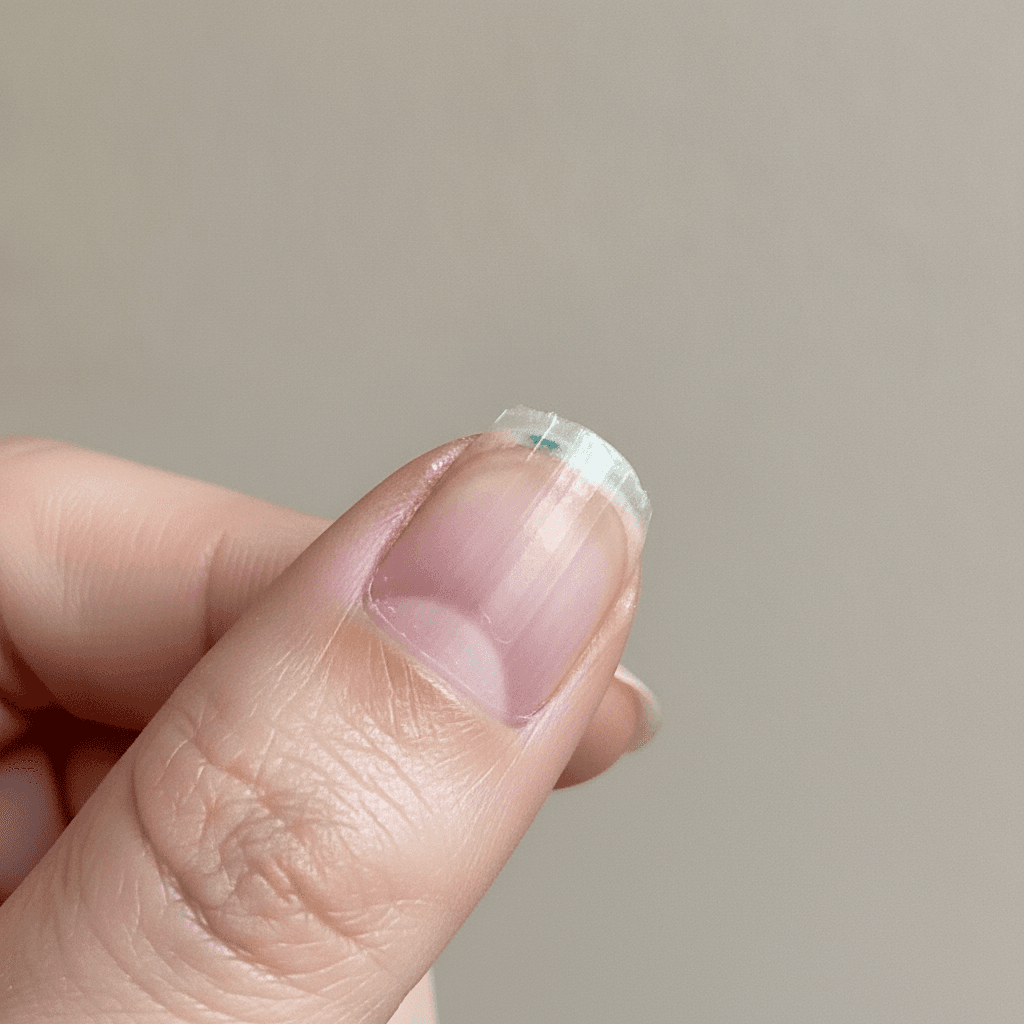
What peeling is
The nail plate is built from thin layers pressed together. When those layers lose moisture and the bond between them weakens, the tip starts to flake apart like the pages of a damp book. This is different from splitting, where the nail cracks lengthwise. Peeling is horizontal, at the free edge.
The usual causes
Almost all of it is external:
- The wet-dry cycle, from dishes, cleaning, and frequent hand washing
- Acetone and frequent polish removal
- Over-filing or using the nail as a tool
- Gel and acrylic manicures without breaks
- Cold, dry air
Occasionally an iron shortfall makes nails thin and prone to peeling, but that usually travels with tiredness and other signs rather than appearing alone.
A routine that helps
Recovery is about cutting the damage and locking in moisture:
- Keep water and chemical contact short, and wear gloves for chores
- Moisturize nails and cuticles daily, especially after washing
- Take breaks from gels and acrylics
- File gently in one direction and avoid buffing the surface thin
- Keep nails a little shorter while they recover
Give it a few weeks. Because nails grow slowly, you are waiting for healthier nail to grow in.
When to see a doctor
Most peeling needs nothing more than better habits. Check in if:
- Peeling comes with brittleness, fatigue, or hair thinning, which can point to iron or thyroid issues
- A nail also lifts from the bed, changes color, or thickens
- There is pain, swelling, or signs of infection
Frequently asked questions
Why are my nails peeling in layers?+
Peeling, or onychoschizia, usually comes from the outside: repeated wetting and drying, harsh removers, over-filing, or trauma. It is rarely a sign of illness on its own.
What is the difference between peeling and splitting nails?+
Peeling separates the nail into horizontal layers at the tip. Splitting runs vertically down the nail. Peeling is almost always about moisture and wear.
Can a vitamin deficiency cause peeling nails?+
Sometimes iron deficiency is involved, but most peeling is external. Fix the water and product habits first before reaching for supplements.
Related
Sources
- Cleveland Clinic, Nails and your health
- WebMD, What to know about onychorrhexis
This article is for general education and is not medical advice. It does not replace a consultation with a qualified clinician. If a symptom worries you, see a doctor.