An itchy scalp is one of those annoyances with a long list of possible causes, most of them harmless. The trick is to read the company the itch keeps, the flakes, the oil, any sores or hair loss, because those clues point to the cause and therefore the fix.
Here are the usual reasons, how to narrow yours down, and the signs that mean see a doctor. You can also check your scalp over time.
- •The most common causes are dandruff (seborrheic dermatitis) and a dry scalp, followed by product buildup.
- •Less common but worth knowing: psoriasis, a fungal infection (ringworm), folliculitis, an allergic reaction to a hair product, and rarely lice.
- •Itch with hair loss, sores, spreading redness, or that will not settle deserves a doctor's visit.
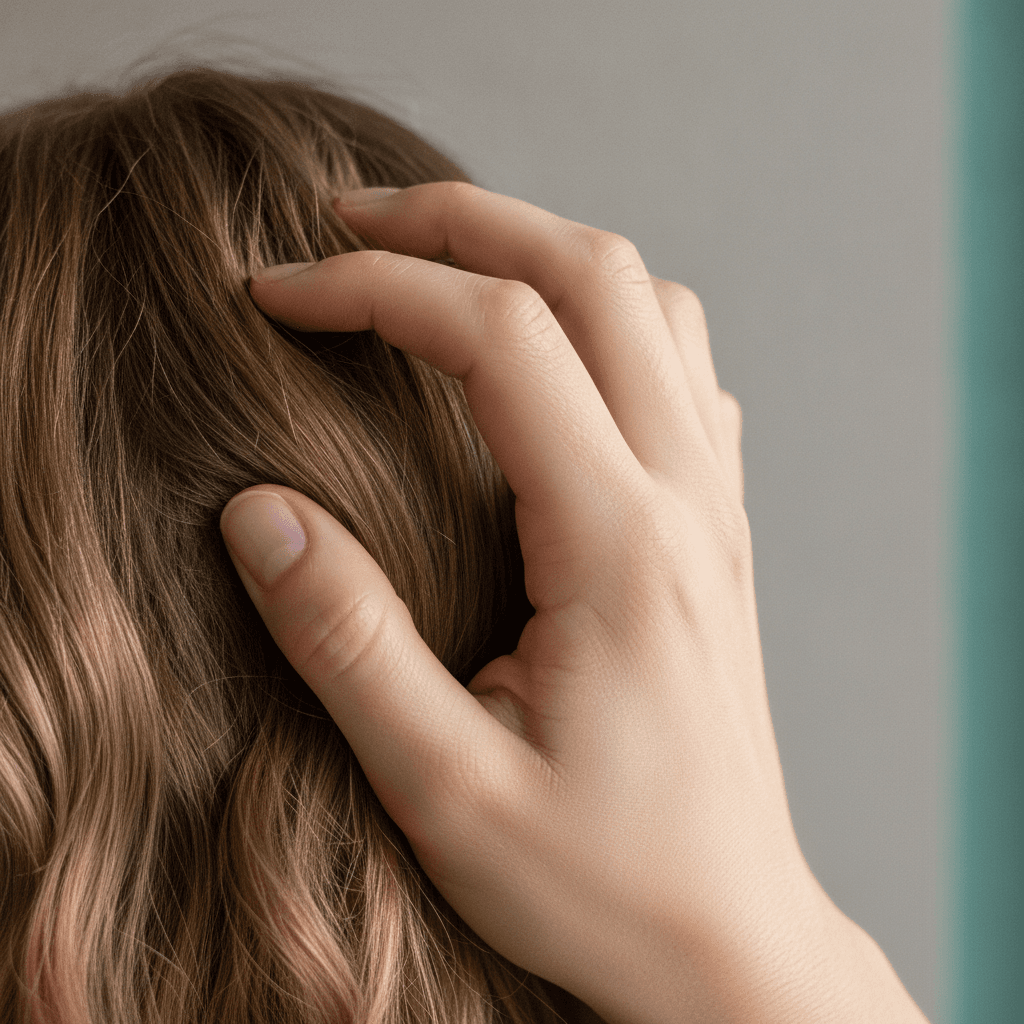
The common causes
Most itchy scalps come down to a handful of things:
- Dandruff (seborrheic dermatitis): oily scalp, larger yellowish flakes, the most common cause
- Dry scalp: small white flakes, tight skin, worse in cold weather
- Product buildup: residue from styling products or infrequent washing
These cover the large majority and respond to simple changes. Telling dandruff from dry scalp is often the key first step.
The less common causes
A few others are worth knowing:
- Scalp psoriasis: thick silvery scales on well-defined patches
- Fungal infection (ringworm): an itchy, scaly patch, sometimes with hair loss, more common in children
- Folliculitis: small, sometimes tender bumps around hair follicles
- Allergic or irritant reaction: to a new shampoo, dye, or styling product
- Lice: intense itch, sometimes visible nits, more common in children
How to narrow it down
Ask three quick questions. Are there flakes, and are they oily or dry? Are there sores, bumps, or thick patches? Is hair falling out where it itches? Oily flakes suggest dandruff, dry flakes a dry scalp, thick patches psoriasis, and itch with hair loss or sores needs a professional look.
What usually helps
For the common causes, start gentle: a suitable shampoo (anti-dandruff for oily flaking, gentle and moisturizing for dry), wash off product buildup, avoid very hot water and harsh products, and resist scratching, which worsens irritation.
When to see a doctor
Book a visit if the itch comes with hair loss, open or weeping sores, spreading redness, thick scaly patches, or simply will not settle with a couple of weeks of gentle care.
Frequently asked questions
Why is my scalp so itchy?+
Most often dandruff or a dry scalp. Product buildup, an allergic reaction to a hair product, psoriasis, a fungal infection, or inflamed follicles can also do it.
Why does my scalp itch with no dandruff?+
An itch without flakes can be product buildup, an allergic or irritant reaction, early psoriasis, or folliculitis. If it persists, a doctor can pin it down.
When should I see a doctor about an itchy scalp?+
If the itch comes with hair loss, open sores, spreading redness, thick scales, or simply will not settle with gentle care, get it checked.
Related
Sources
- American Academy of Dermatology, itchy scalp and scalp conditions
- Cleveland Clinic, scalp itch resources
This article is for general education and is not medical advice. It does not replace a consultation with a qualified clinician. If a symptom worries you, see a doctor.