Spoon nails are one of the few nail shapes genuinely worth acting on. The medical term is koilonychia, and the nails turn thin and soft and curve inward at the center, shallow enough that a drop of water could sit in the dip. The classic reason behind the shape is iron deficiency.
Here is what causes spoon nails, the surprising twist about iron, and the simple tests to ask for. You can scan and track your nails while you sort out the cause.
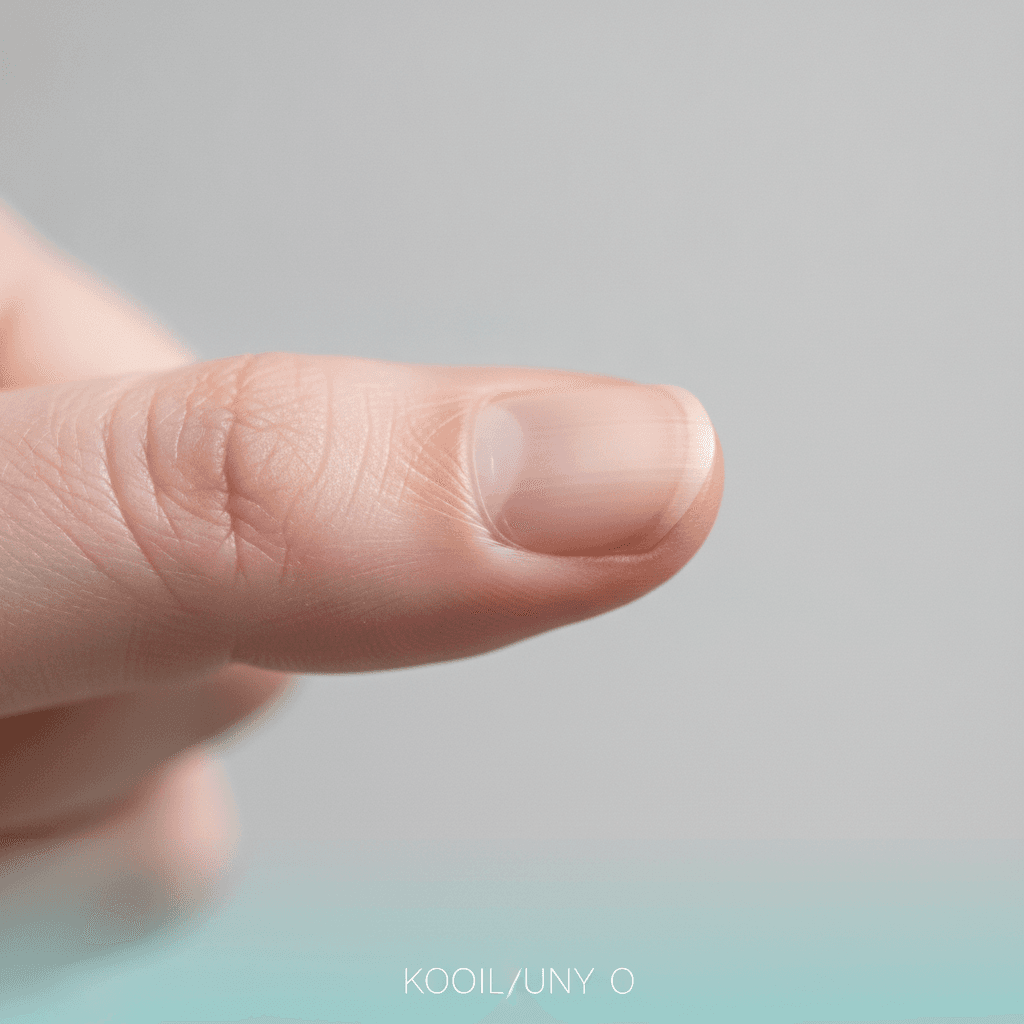
What spoon nails look like
A healthy nail has a gentle outward curve. A spoon nail loses that and goes the other way, dipping in the middle so the edges sit higher than the center. The plate is usually thin and bends easily. The change tends to build slowly, which is why people often notice it in photos before they notice it in the mirror.
The main cause: iron
Iron deficiency is the textbook link, frequently as part of iron deficiency anemia. When the body is short on iron, the nail matrix produces a softer, thinner plate that takes on the spoon shape. This is why fatigue, breathlessness, or pale skin alongside spoon nails should prompt a blood test rather than a wait-and-see.
The iron twist
Here is the part that catches people out. Spoon nails can also appear with iron overload, a condition called hemochromatosis, where the body stores too much iron. So the shape flags an iron problem in either direction, which is exactly why testing matters rather than guessing.
Other causes
Iron is not the only route to koilonychia:
- Repeated trauma or chemical exposure, common in mechanics, hairdressers, and people whose hands are often wet
- Hypothyroidism and some other systemic conditions
- An inherited tendency in a minority of families
- Infancy, where soft, slightly spooned nails are often normal and self-correct
What to do
Start with a doctor and a simple blood panel: iron, ferritin, and a full blood count. If iron is low, treating the cause and restoring levels usually lets the nail grow back to its normal curve over several months. If your work keeps your hands wet or exposed to chemicals, gloves and barrier creams help protect the new growth.
When to see a doctor
Book a visit if spoon nails come with:
- Fatigue, breathlessness, dizziness, or pale skin
- Heavy periods or known blood loss
- A family history of iron disorders
- No obvious cause, since the shape itself is reason enough to test
Frequently asked questions
What deficiency causes spoon nails?+
Iron deficiency is the classic cause, often as part of iron deficiency anemia. A simple blood test for iron and ferritin can confirm it.
Can spoon nails be normal?+
Yes, in infants the soft, slightly spooned nail is often normal and corrects itself within the first year or two.
Do spoon nails go back to normal?+
Often they do once the cause is treated, such as restoring iron levels, but the nail has to grow out before the shape recovers.
Related
Sources
- Mayo Clinic, 7 fingernail problems not to ignore
- Cleveland Clinic, Nails and your health
This article is for general education and is not medical advice. It does not replace a consultation with a qualified clinician. If a symptom worries you, see a doctor.